घरगुती किराणा सामानाची यादी — Kirana Saman List Marathi | SamanList
A complete home grocery list in Marathi for Maharashtrian families, but built around how a Maharashtrian kitchen actually runs. It starts with the items every household reaches for daily, then moves into bhakri flours (jowar, bajri), goda masala and Kolhapuri-style spice blends, the kokum and kaakvi that give Maharashtrian food its distinctive tang, dry coconut and peanuts, and the poha-thalipeeth-sabudana breakfast staples that define a Maharashtrian morning. Categories are ordered by how often a household actually buys them, so you're not scrolling past baby care to find toor dal. Useful for kirana shopping, online grocery orders, and WhatsApp lists shared with the local shop.
What Items Are Included in This List?
⭐वारंवार वापरले जाणारे पदार्थ
महाराष्ट्रीयन घरात रोज, न चुकता वापरले जाणारे पदार्थ — हे संपले की स्वयंपाकच अडतो. तांदूळ-वरण ते चहा-साखरेपर्यंत, ही यादी इतर सगळ्या categories च्या आधी बघा. Check items →
🌾धान्य आणि पीठ
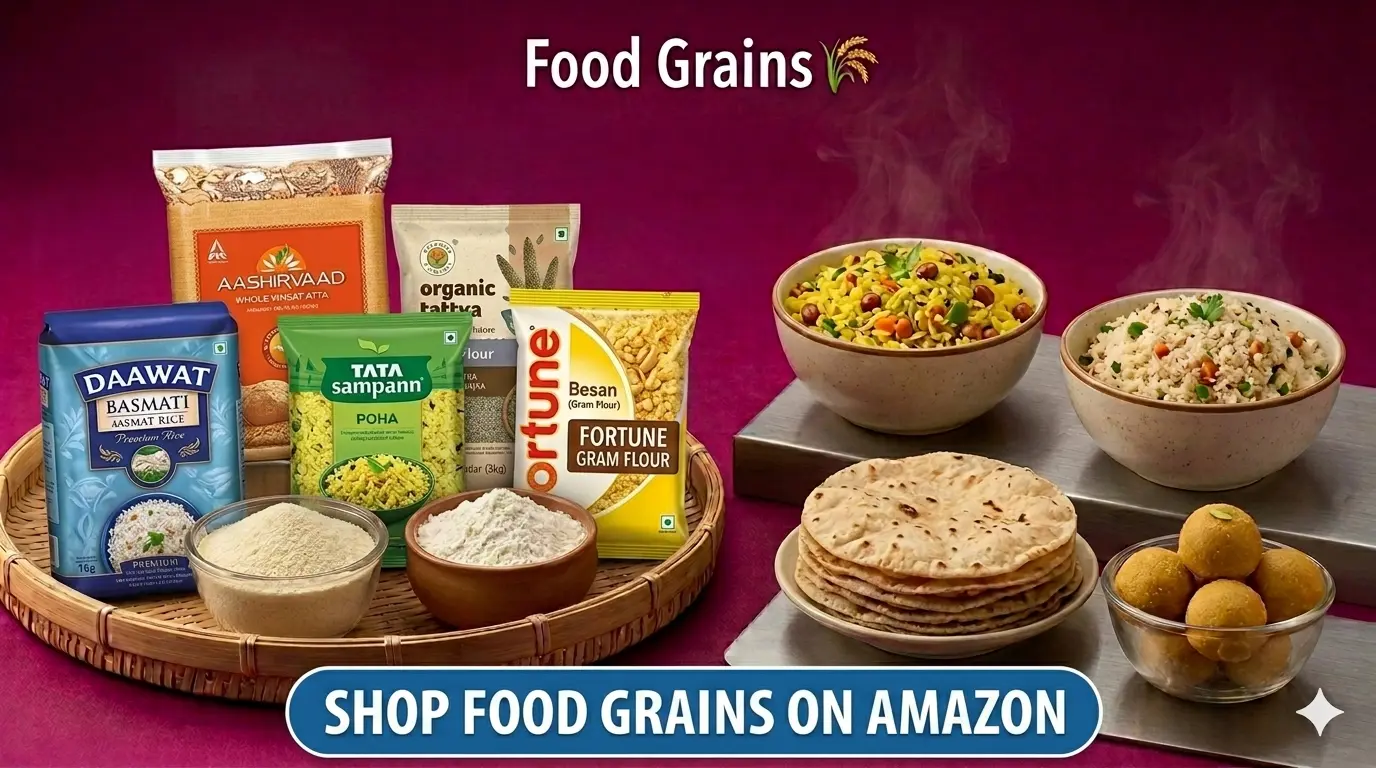
गव्हाचं पीठ शहरी घरांत रोज वापरलं जातं, पण देश, खानदेश, मराठवाडा आणि विदर्भात ज्वारी-बाजरीची भाकरी पारंपरिक मुख्य आहार आहे. कोकणात तांदळाची भाकरी आणि आंबोळी (घावन) लोकप्रिय आहेत. Check items →
🥣कडधान्ये
वरण-भाताशिवाय महाराष्ट्रीयन जेवण पूर्ण होत नाही. तूर डाळ सर्वात जास्त वापरली जाते, तर मटकी आणि मूग उसळीसाठी खास लागतात. Check items →
🛢️खाद्यतेल आणि तूप
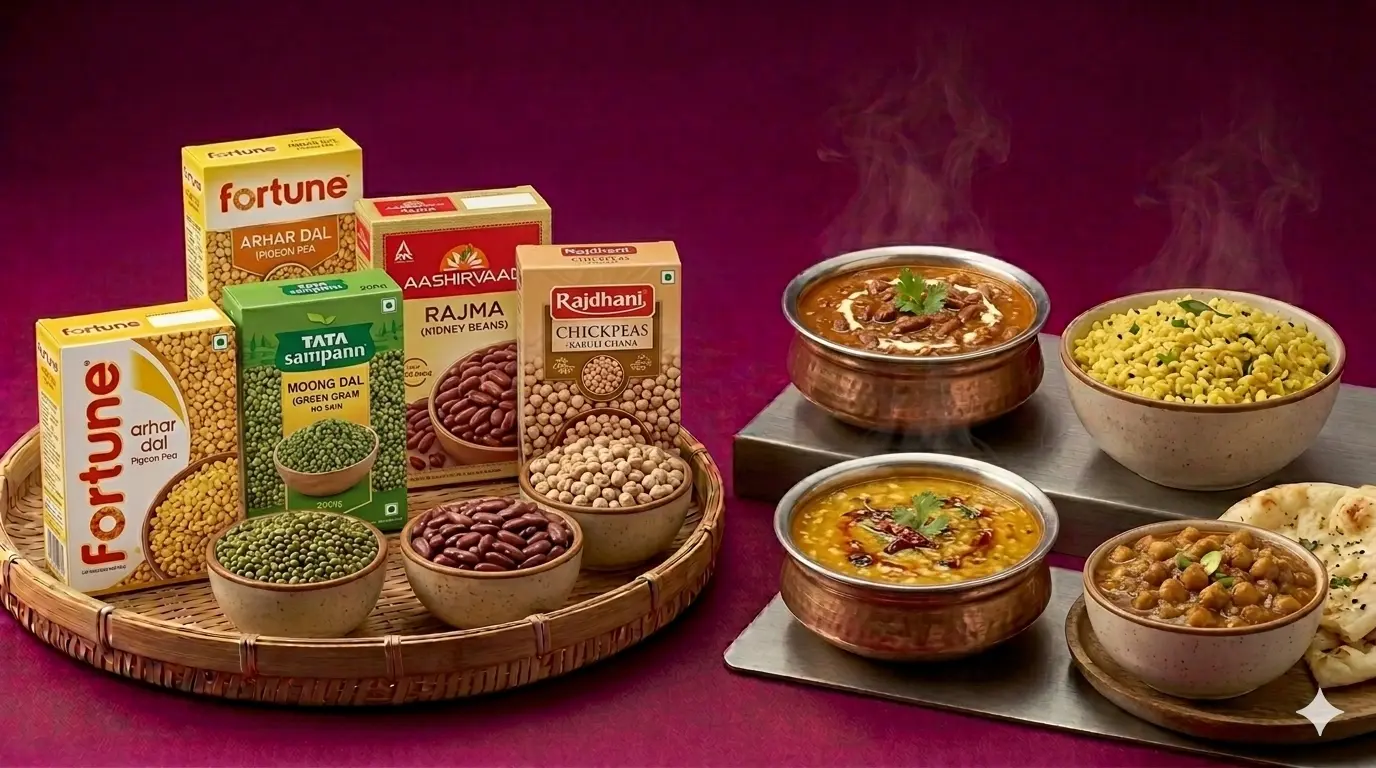
शेंगदाणा तेल हे महाराष्ट्रातलं सर्वात पारंपरिक आणि लोकप्रिय तेल आहे — फोडणी, तळणी आणि भाजीसाठी. सूर्यफूल तेल हलक्या रोजच्या स्वयंपाकासाठी वापरतात. साजूक तूप वरण-भात आणि पुरणपोळीसाठी अनिवार्य. Check items →
🌶️मसाले — गोडा मसाला आणि इतर
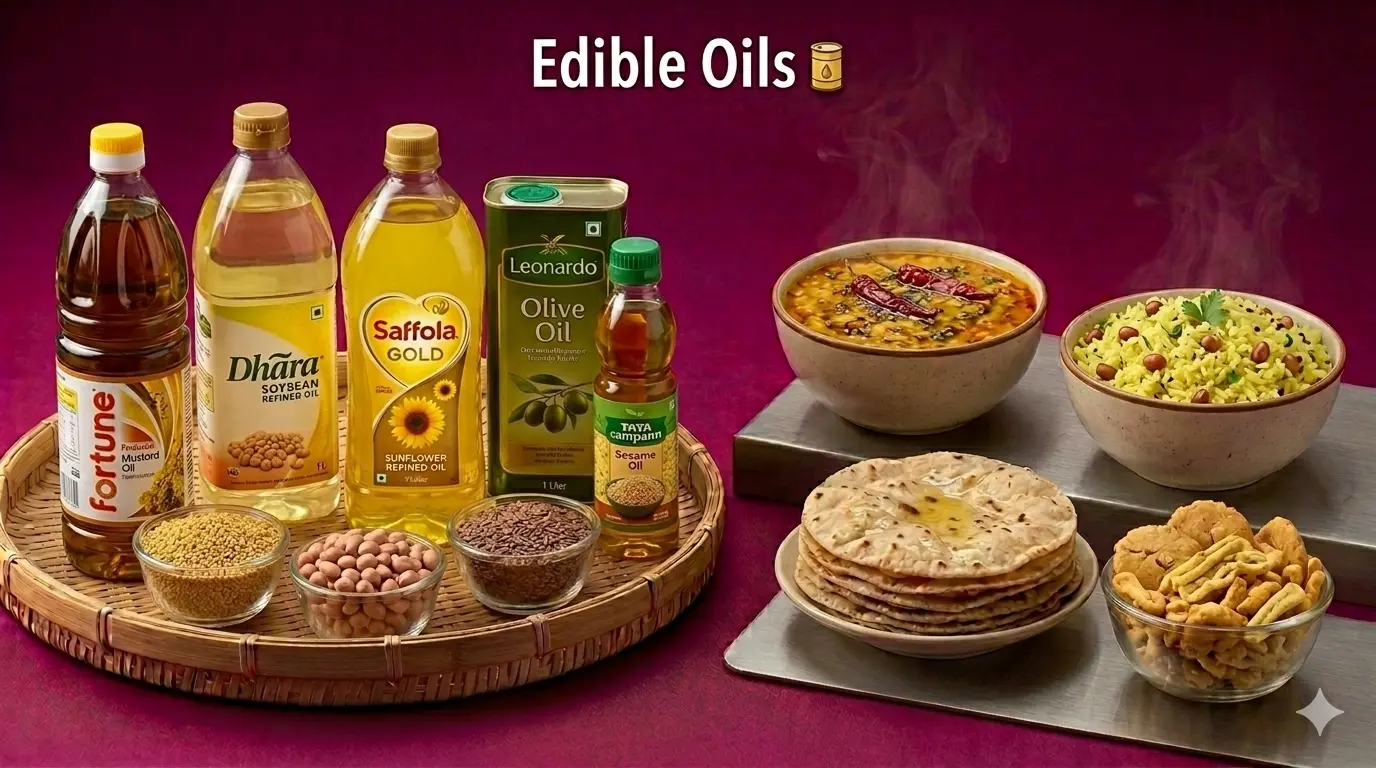
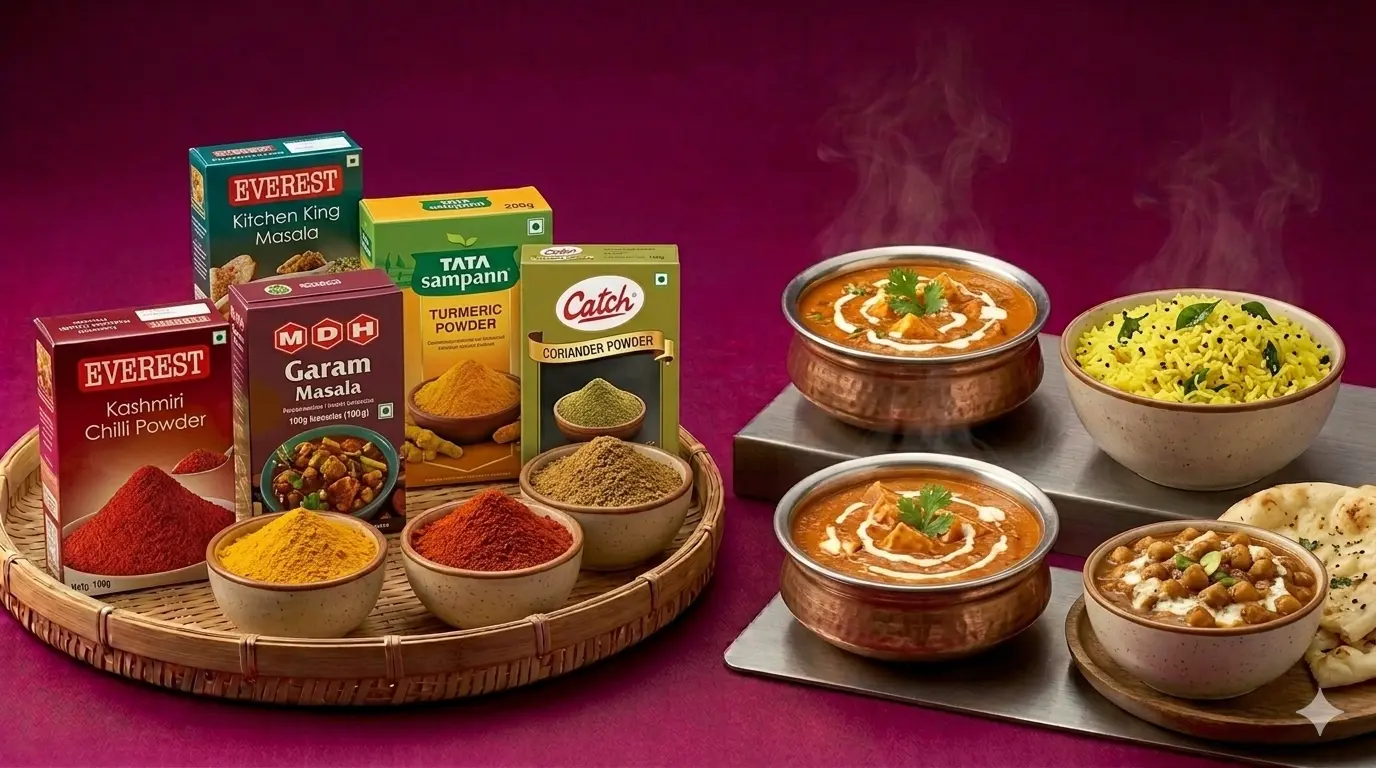
गोडा मसाला हा महाराष्ट्रीयन स्वयंपाकाचा आत्मा आहे, पण कोल्हापुरी आणि मालवणी मसाले तिखट चवीसाठी वेगळे वापरले जातात. कांदा-लसूण मसाला झणझणीत रस्साभाजीसाठी खास आहे. Check items →
🍇आंबट-गोड पदार्थ
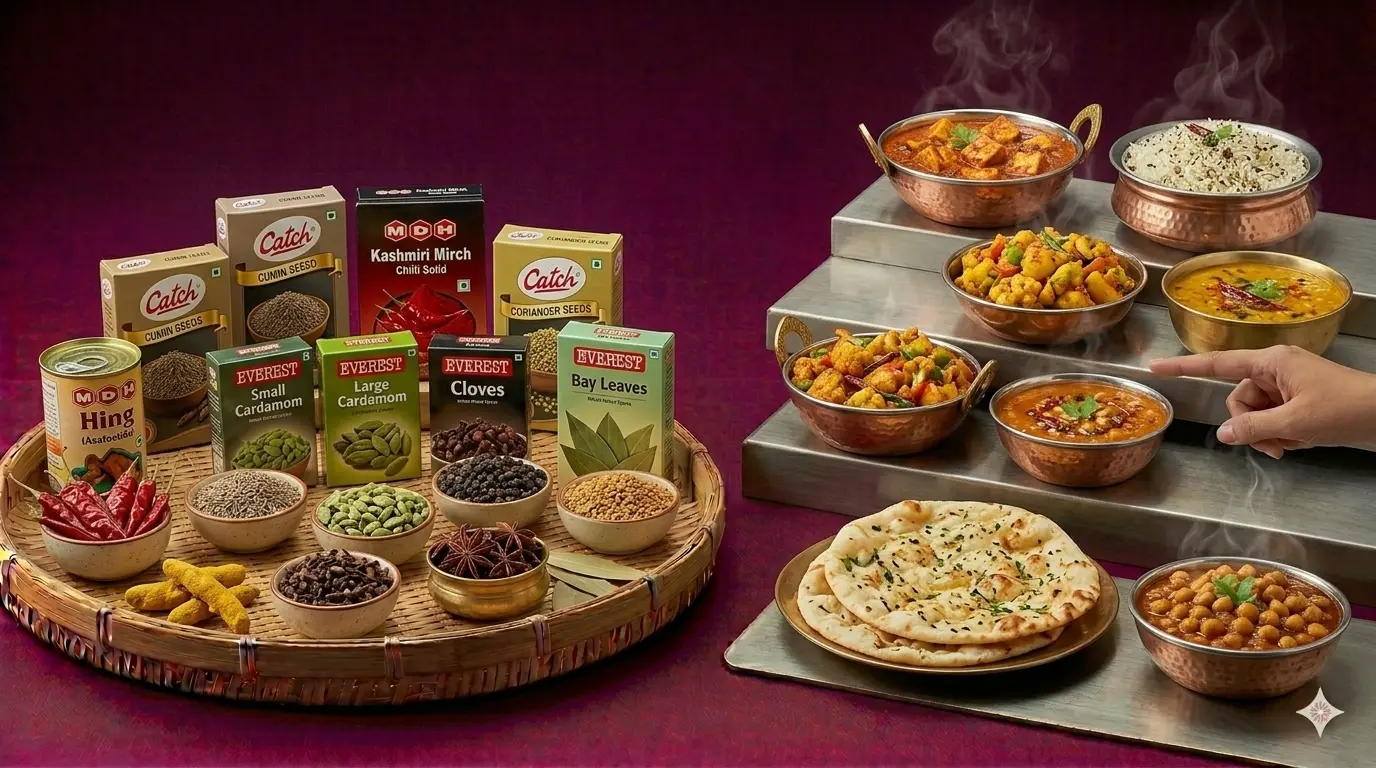
कोकम आणि काकवी या महाराष्ट्रीयन — विशेषतः कोकणी — स्वयंपाकाला वेगळी ओळख देणाऱ्या गोष्टी आहेत. आमटी, सोलकढी आणि कोकम सरबतासाठी या वस्तू घरात नेहमी असाव्यात. Check items →
🥥खोबरं आणि सुकामेवा
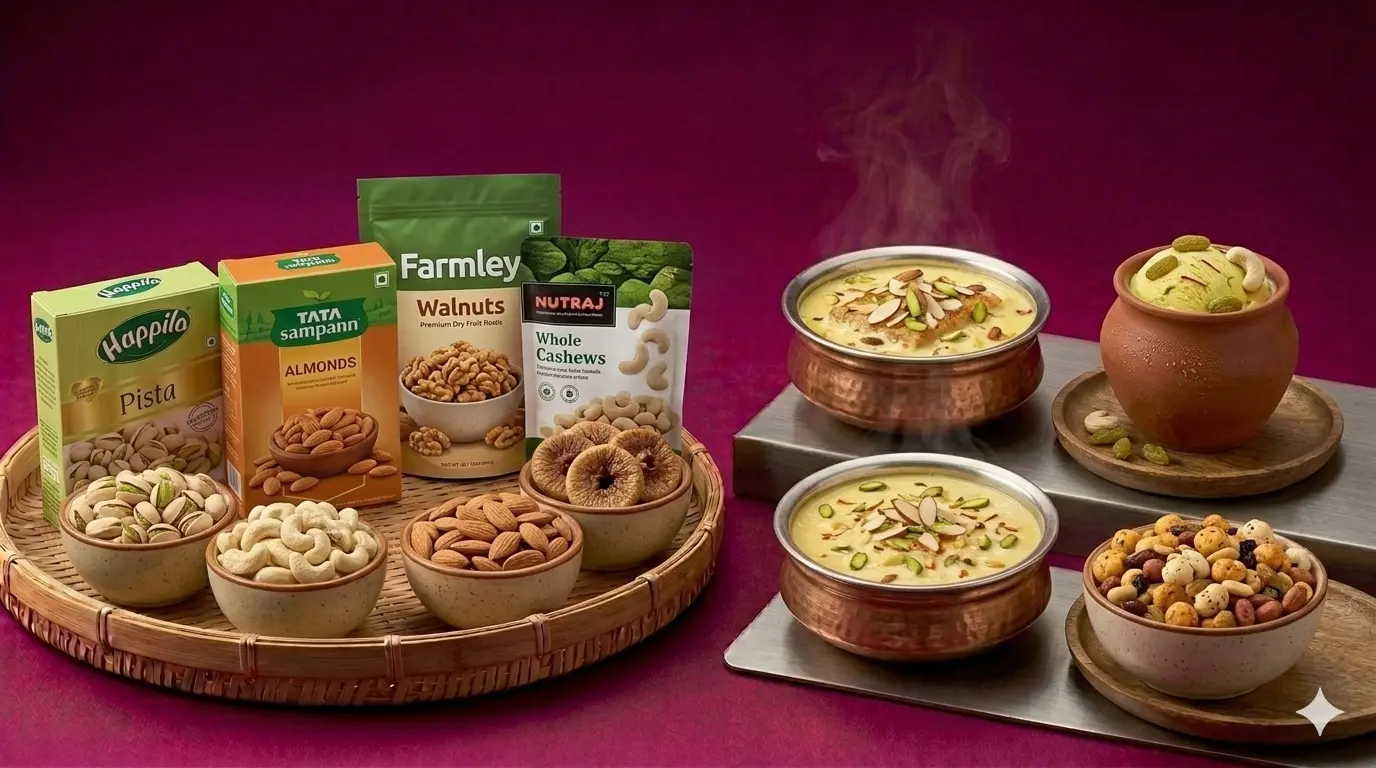
ओलं आणि सुकं खोबरं हे महाराष्ट्रीयन स्वयंपाकाचं वैशिष्ट्य आहे — गोडा मसाला, चटणी आणि अनेक भाज्यांत वापरलं जातं. शेंगदाणे कोशिंबीर, चटणी आणि भरल्या वांग्यासाठी अनिवार्य. Check items →
🍿नाश्ता आणि स्नॅक्स
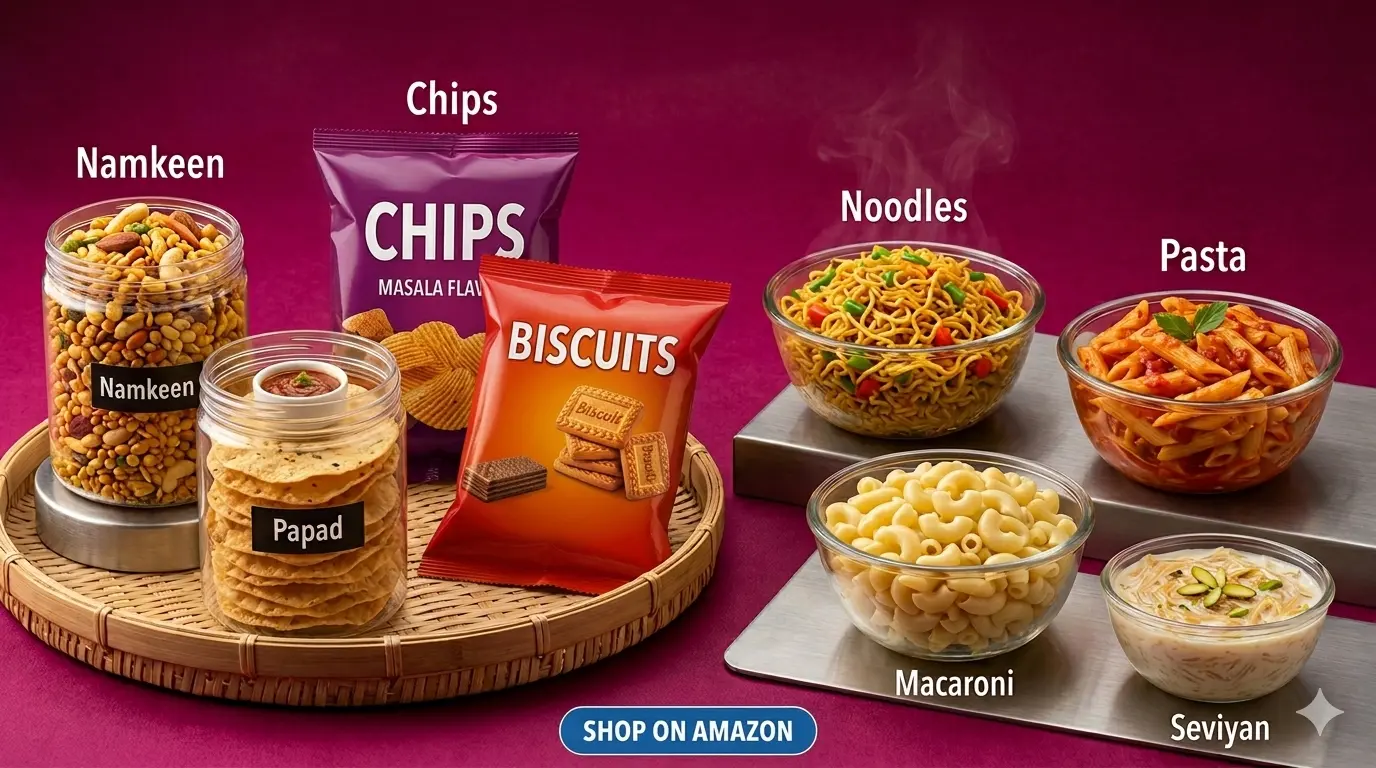
पोहे हा महाराष्ट्रीयन सकाळचा राजा आहे, त्यानंतर उपमा आणि शिरा. साबुदाणा उपवासाच्या दिवशी अनिवार्य. चिवडा आणि भडंग चहासोबत संध्याकाळचा खास नाश्ता. Check items →
🫙लोणचं आणि चटण्या
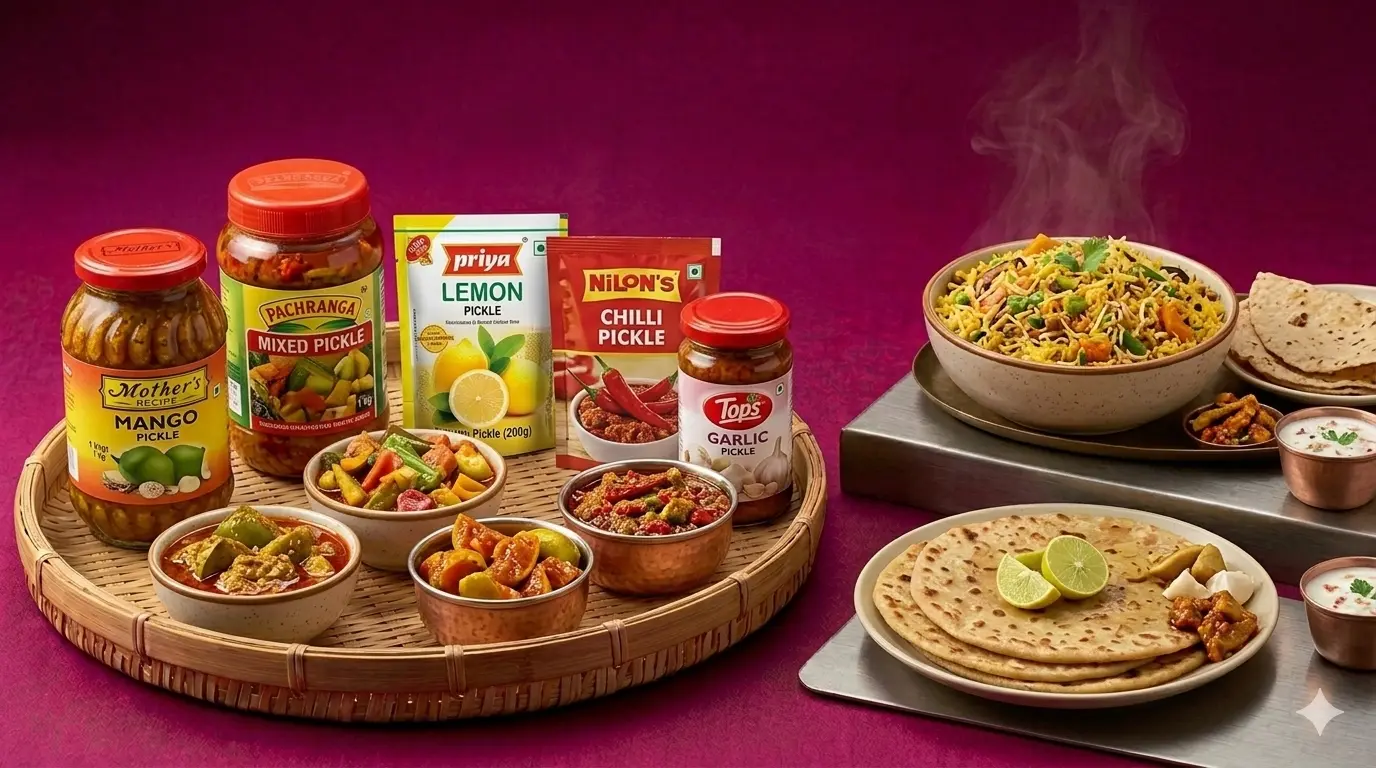
कैरीचं लोणचं आणि शेंगदाणा-तीळ चटणी हे महाराष्ट्रीयन ताटाचे अविभाज्य भाग आहेत. Check items →
How to Use This List?
• Create your personalized list by selecting the items you need. • Use the available filters to quickly find items that match your requirements. • Adjust quantities, units, and preferred brands whenever available. • Review and update your list anytime to avoid missing important items. • Easily share your list with family members, colleagues, or shopkeepers. • You can also explore helpful tips, FAQs, and related lists available below on this page.
⭐ वारंवार वापरले जाणारे पदार्थ
🌾 धान्य आणि पीठ
🥣 कडधान्ये
🛢️ खाद्यतेल आणि तूप
🌶️ मसाले — गोडा मसाला आणि इतर
🧂 साबूत मसाले
🍇 आंबट-गोड पदार्थ
🥥 खोबरं आणि सुकामेवा
🍿 नाश्ता आणि स्नॅक्स
🫙 लोणचं आणि चटण्या
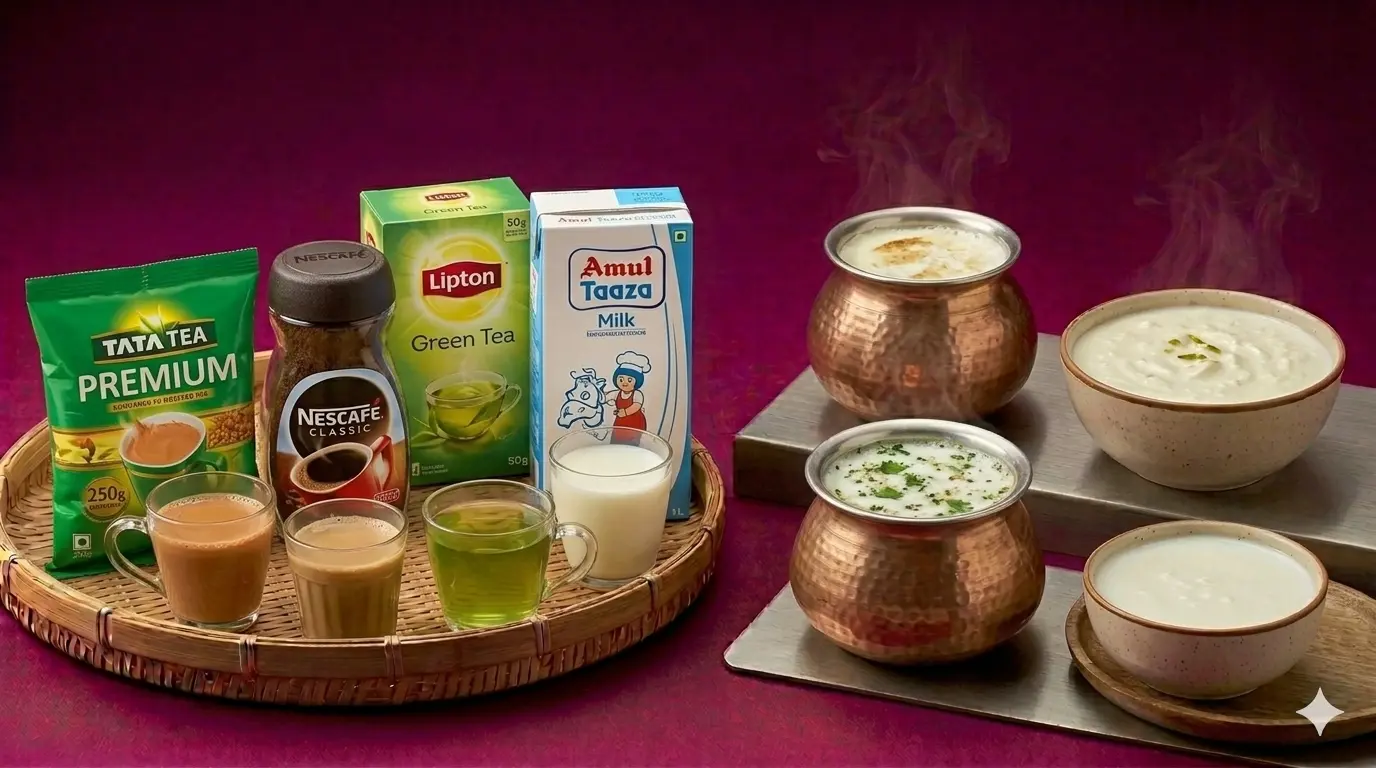
☕ पेय
🪥 सौंदर्य आणि स्वच्छता

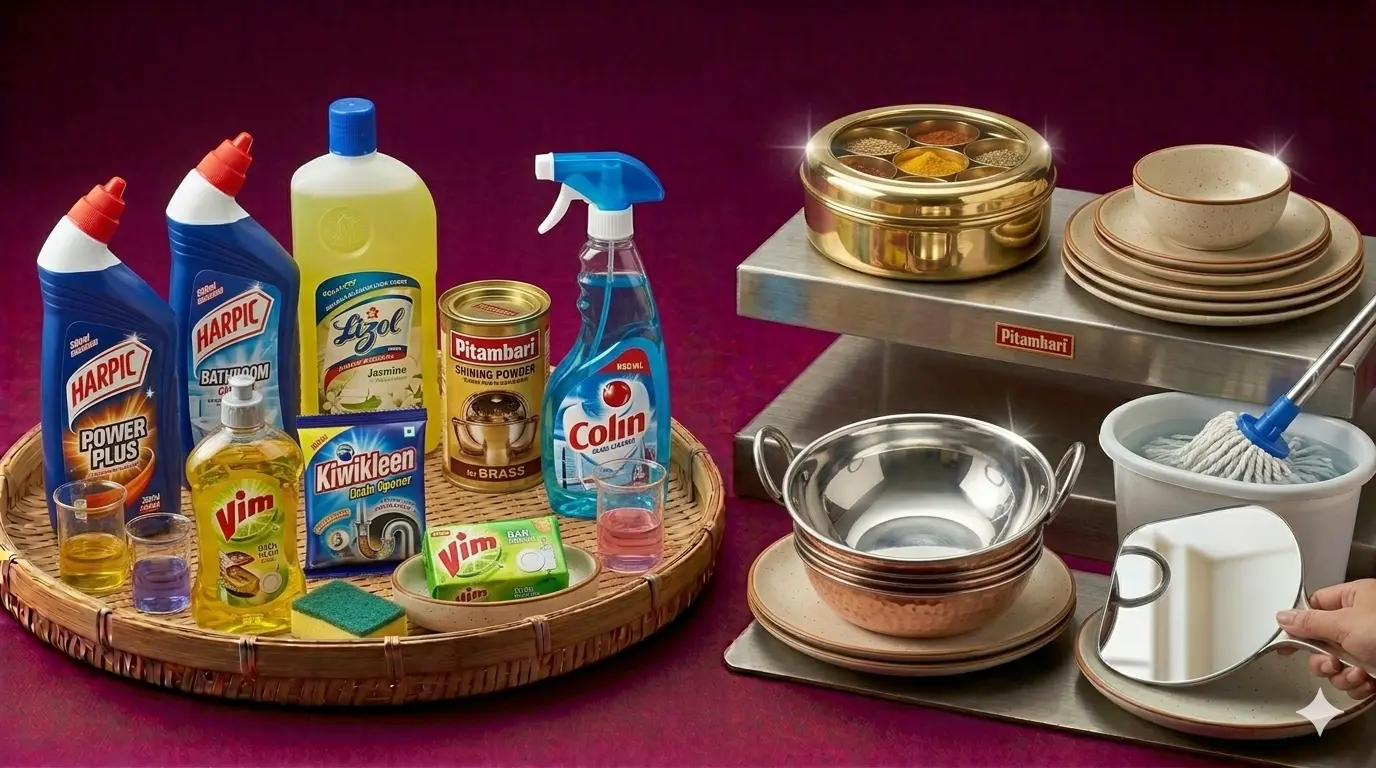
🧼 घर स्वच्छता
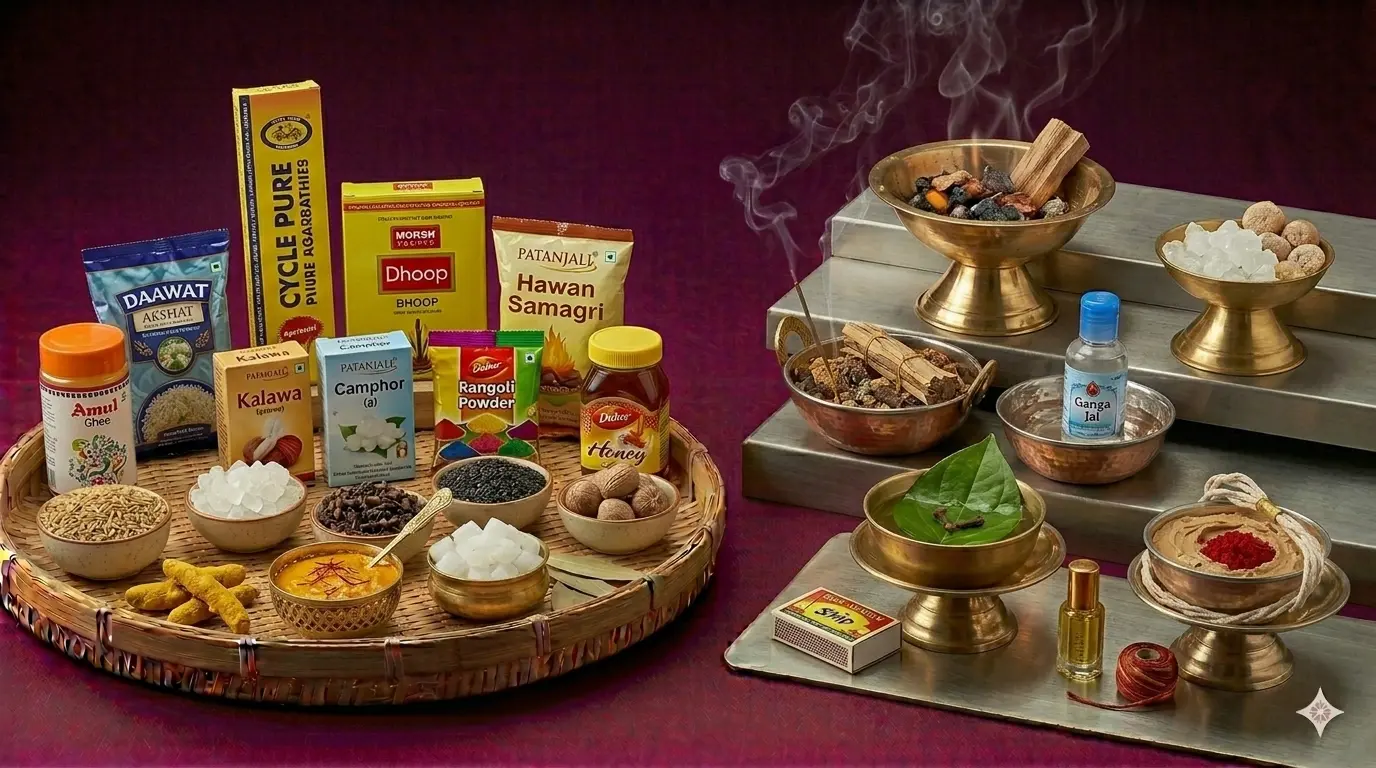
पूजा साहित्य
लहान बाळाची काळजी

😊 आपको यह लिस्ट कैसी लगी?
क्या इस लिस्ट से आपको अपनी तैयारी में कुछ मदद मिली?
⭐ Explore More Lists Related to This
🎉 Festival & Event Planning
🏠 Home Setup & Living Spaces
🎁 Gift Ideas
💼 Workspace & Office
✈️ Travel & Lifestyle
✨ Personal Care & Grooming
👨👩👧 Family & Lifestyle
🏋️ fitnessPlanning
🚗 Car & Bike Care
📚 Education & Students
👞 Shoe & Leather Care
🧓 Senior Citizen Care
💍 Wedding Saman & Checklist
🎥 Digital Content Creation
🏠 Home Construction & Renovation
Frequently Asked Questions
What is the monthly grocery list for a Maharashtrian household of 4 people?
A Maharashtrian family of 4 typically needs monthly: rice 8-10kg, wheat flour 8-10kg, jowar/bajri flour 2-3kg (for bhakri), toor dal 2kg, peanut oil 3-4L, ghee 500ml, goda masala 200-300g, salt, sugar 1.5kg, jaggery 1kg, kokum and tamarind, tea 250g, and 2-4 soaps. Dry coconut, peanuts, and pickles are usually restocked every 2-3 months.
Is rice or wheat the everyday staple in a Maharashtrian household?
It depends on the region within Maharashtra. In the coastal Konkan region, rice is the traditional staple, eaten daily as bhaat with varan (dal). In the inland Deccan plains — Desh, Khandesh, Marathwada, and Vidarbha — bhakri made from jowar or bajri was the traditional staple, though wheat chapati has become increasingly common in urban households across the state. Most modern Maharashtrian homes today keep both rice and wheat flour stocked, with jowar/bajri flour kept for occasional bhakri.
What is goda masala and why is it essential in a Maharashtrian kitchen?
Goda masala is a unique Maharashtrian spice blend — its name comes from the Marathi word 'goda' meaning sweet, referring to its mildly sweet, aromatic flavour rather than its taste. It typically contains coriander seeds, sesame seeds, dried coconut, cinnamon, cloves, and the distinctive dagad phool (stone flower), among other roasted spices. It is used daily in varan (dal), amti, usal, bhaji, and the festive masale bhaat. Almost every Maharashtrian household either makes its own goda masala once or twice a year in bulk, or buys a trusted brand, and it is considered as essential to Maharashtrian cooking as garam masala is in North Indian cooking.
What is kokum and how is it different from tamarind in Maharashtrian cooking?
Kokum is a sour fruit from the Konkan coast, used dried (amsul) or as a concentrated liquid (kokum agal) to add a gentle, slightly fruity tang to dal, curries, and the cooling summer drink kokum saar. It is milder and more delicate than tamarind, which gives a deeper, sharper sourness. Coastal Maharashtrian households, especially in Konkan, reach for kokum first; tamarind is used more widely across the rest of the state and in dishes needing a stronger sour note, like sambar-adjacent preparations or chutneys.
How often should rice, dal, and goda masala be restocked in a Marathi household?
Rice and wheat flour are usually bought in bulk every 3-4 weeks for a medium-sized family. Toor dal, used daily for varan, is typically restocked monthly. Goda masala, since it's used in small daily quantities, lasts longer — most households buy or make a batch every 2-3 months, and it stays fresh for that long if stored in an airtight, dark container away from sunlight. Kokum and tamarind, being used in smaller quantities, can usually last 2-3 months per purchase as well.